Best Debit Cards With Cashback That Help You Stick To A Budget
I overlooked debit cards when it came to budgeting and personal finance. They felt boring. No flashy rewards. No big signup bonuses. Just… spending money I already had.
But once I started focusing on controlling my spending instead of chasing points, debit cards completely changed how I managed my money.
Using a debit card forced me to stay within my limits. I could see my balance in real time, avoid interest altogether, and stop the cycle of overspending that credit cards sometimes encouraged. And now? Many debit cards actually offer cashback rewards, budgeting tools, and smart spending insights, making them far more powerful than most people realize.
That’s why debit cards can be an incredible tool for budgeting, especially if you’re trying to:
- Stop overspending
- Avoid debt
- Stay disciplined
- Earn rewards without interest
- Keep your finances simple
In this guide, I’m breaking down the best debit cards for budgeting and cashback rewards. I’ll walk through what makes each card unique, who it’s best for, and how to choose the right one based on your habits and goals.
Because sometimes the best financial move isn’t earning more points, it’s building better spending habits.
Why Debit Cards Can Be Better Than Credit Cards for Budgeting
I’m not anti–credit card. Credit cards can be great tools when used responsibly.
But when it comes to budgeting and controlling spending, debit cards often make things much simpler, especially if you’re rebuilding habits or trying to stay disciplined.
Here’s why debit cards can actually be better than credit cards for budgeting.
1. You Can Only Spend What You Have
This is the most significant advantage of debit cards.
When I use a debit card, the money comes straight out of my checking account. There’s no borrowing, no floating balances, and no mental gymnastics about “I’ll pay it off later.”
That built-in limit naturally keeps spending in check.
2. No Interest, No Debt, No Stress
With debit cards:
- There’s no interest
- No minimum payments
- No risk of carrying a balance
For anyone trying to escape the debt cycle or simplify their finances, this alone is a huge win.
3. Real-Time Balance Awareness
Most debit cards and banking apps show:
- Live balances
- Instant transaction alerts
- Spending summaries
That immediate feedback makes it much harder to overspend accidentally.
4. Fewer Psychological Spending Traps
Credit cards often make spending feel “painless” because the money doesn’t leave your account right away.
Debit cards do the opposite; you see the impact instantly.
That slight psychological difference can dramatically improve budgeting discipline.
5. Better for Budgeting Resets or Beginners
If you’re:
- New to budgeting
- Recovering from overspending
- Paying off debt
- Trying to simplify your finances
Debit cards offer a clean, controlled way to rebuild healthy money habits.
6. Rewards Are Catching Up
Debit cards used to be boring. But, not anymore!
Many modern debit cards now offer:
- Cashback rewards
- App-based budgeting tools
- Spending insights
- Savings automation
You don’t have to sacrifice rewards to stay disciplined anymore.
Credit cards can be powerful tools, but debit cards shine when your priority is control, clarity, and consistency.
What to Look for in the Best Debit Cards

Not all debit cards are created equal. I’ve learned that the best debit cards aren’t just about spending; they support budgeting, protect your money, and sometimes even reward you for using them.
Here’s exactly what I look for before choosing a debit card.
1. Cashback or Rewards
If I’m using a debit card regularly, I want something back.
Look for cards that offer:
- Cashback on everyday purchases
- Rotating merchant offers
- Automatic rewards (no hoops to jump through)
Even 0.5%–1% cashback can add up over time when you’re using a debit card for groceries, gas, and bills.
2. No Monthly Fees
A debit card should not cost you money to exist.
I avoid cards with:
- Monthly maintenance fees
- Minimum balance requirements
- Hidden service charges
The best debit cards are simple, transparent, and low-cost.
3. Strong Budgeting Tools in the App
This is huge.
I always check whether the bank’s app includes:
- Spending categories
- Transaction history
- Monthly summaries
- Alerts and notifications
- Savings goals
If the app is bad, budgeting becomes harder, no matter how good the card is.
4. Spending Alerts and Controls
Real-time alerts are one of the best budgeting features you can have.
Look for:
- Instant purchase notifications
- Low-balance alerts
- Card freeze/unfreeze options
- Merchant-level controls
These features help you catch problems early and stay aware of your spending.
5. ATM Access and Fee Reimbursements
ATM fees add up fast.
The best debit cards offer:
- Large fee-free ATM networks
- ATM fee reimbursements
- Easy cash access when you need it
This matters even more if you travel or use cash occasionally.
6. Overdraft Policies That Don’t Punish You
Overdraft fees can destroy a budget.
I look for debit cards that:
- Offer overdraft protection
- Decline transactions instead of charging fees
- Allow fee-free overdraft buffers
A good overdraft policy protects you from small mistakes turning into big problems.
7. Strong Security Features
Security is non-negotiable.
The best debit cards include:
- Fraud monitoring
- Zero-liability protection
- Card lock/unlock features
- Two-factor authentication
If I’m connecting my money to a card, I want peace of mind.
8. Easy Account Setup and Customer Support
If something goes wrong, support matters.
I prefer banks that offer:
- Easy online setup
- Clear help documentation
- In-app chat or fast customer service
A great debit card experience includes good support behind it.
The best debit card isn’t the one with the biggest headline reward, it’s the one that supports your spending habits, budgeting style, and goals.
Best Debit Cards for Budgeting and Cashback Rewards (Reviewed)
There’s no single debit card that’s perfect for everyone. The best debit cards are the ones that match how you spend, how you budget, and how much structure you need.
Here are some of the top options to consider, along with who each one is best for.
Discover Cashback Debit – Best Overall Debit Card
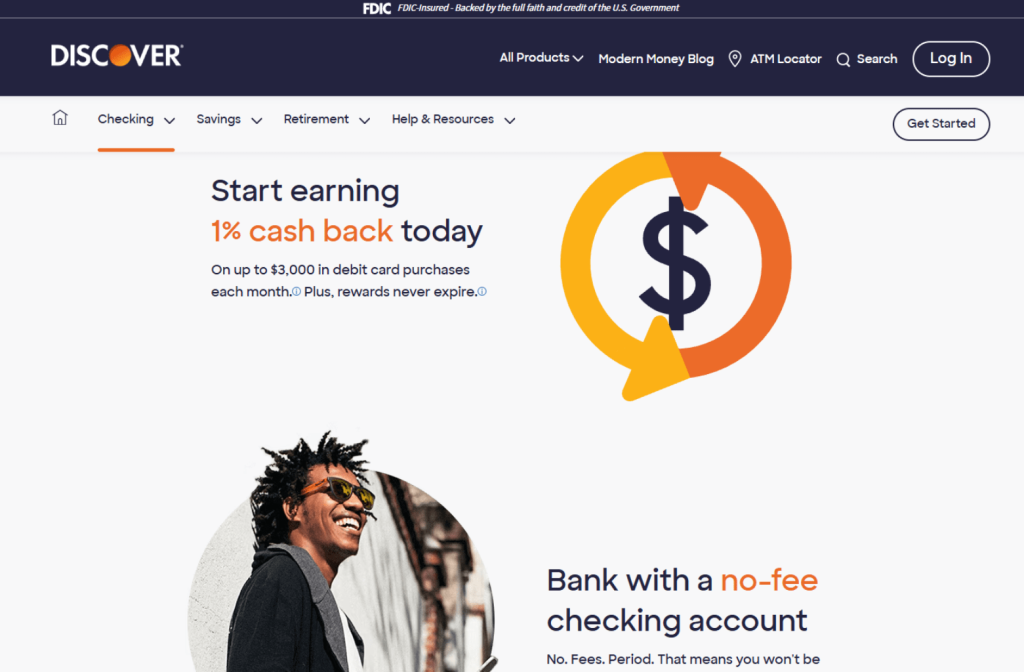
This is one of the most popular debit cards with real rewards, and for good reason.
Discover Cashback Debit offers 1% cashback on debit purchases (up to a monthly cap), with no annual fee and no monthly maintenance fees.
What I like:
- 1% cashback on everyday purchases
- No annual or monthly fees
- No minimum balance requirements
- Strong fraud protection
- Easy-to-use app
Downsides:
- Cashback is capped monthly
- Limited ATM network compared to big banks
Best for:
People who want simple cashback rewards without fees and still want strong budgeting discipline.
Chime Debit Card – Best for Simple Budgeting

Chime is designed for people who want straightforward money management with no unnecessary complexity.
It doesn’t offer traditional cashback, but it shines when it comes to budgeting tools, spending alerts, and fee-free banking.
What I like:
- No monthly fees
- No minimum balance
- Real-time spending alerts
- Automatic savings features
- Early paycheck access (for eligible users)
Downsides:
- No traditional cashback rewards
- ATM access limited to partner network
Best for:
Beginners, overspenders, or anyone who wants to simplify their finances and avoid fees.
SoFi Debit Card – Best for High Cashback Offers
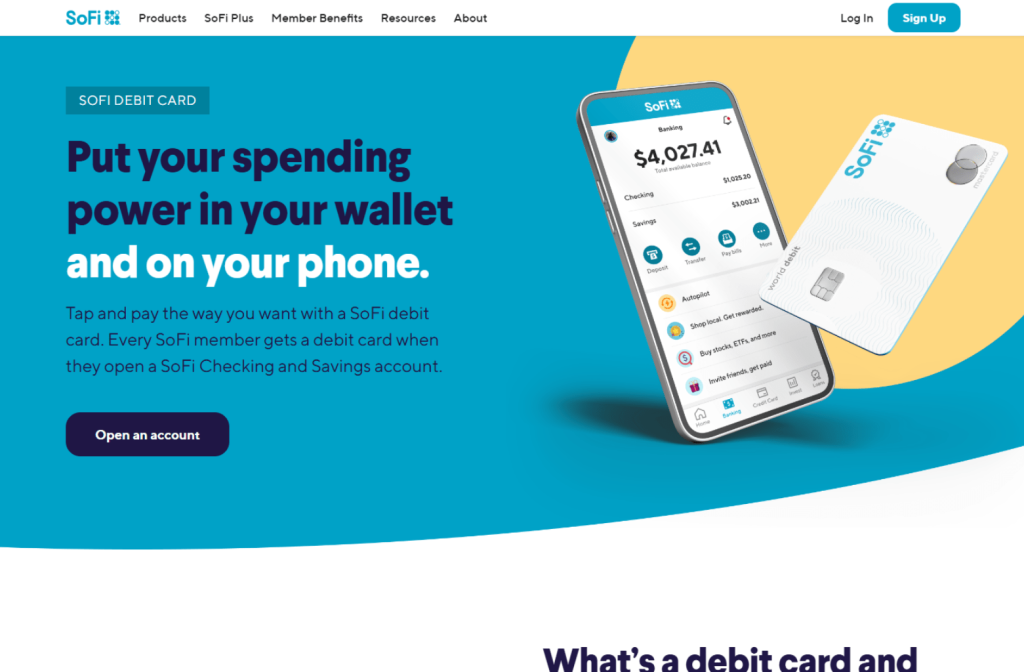
SoFi’s debit card works inside a broader financial ecosystem that includes checking, savings, investing, and loans.
Instead of flat cashback, SoFi offers rotating cashback deals and merchant rewards through its app.
What I like:
- Cashback offers through the SoFi app
- Strong mobile app
- No account fees
- Easy transfers between accounts
- Integrates well with savings and investing
Downsides:
- Cashback depends on offers
- Not as straightforward as flat-rate rewards
Best for:
People who like app-based rewards and want everything in one financial platform.
Upgrade Rewards Checking Debit Card – Best Credit-Building Hybrid

Upgrade’s debit card is interesting because it blends debit-style spending with credit-building features.
You earn cashback while your purchases are paid off automatically, helping build credit without traditional credit card debt.
What I like:
- Cashback rewards
- Credit-building structure
- No annual fee
- Automatic payments
Downsides:
- More complex setup
- Not a traditional debit experience
Best for:
People rebuilding credit who still want budgeting control and rewards.
Axos Bank Debit Card – Best for ATM Access

If ATM fees drive you crazy, Axos is worth a look.
Axos offers unlimited domestic ATM fee reimbursements, which is rare and extremely useful if you travel or use cash often.
What I like:
- Unlimited ATM fee reimbursements
- No monthly maintenance fees
- Strong online banking tools
Downsides:
- No direct cashback rewards
- Rewards come through savings, not spending
Best for:
People who frequently withdraw cash and want maximum ATM flexibility.
PayPal Debit Card – Best for Online Spending
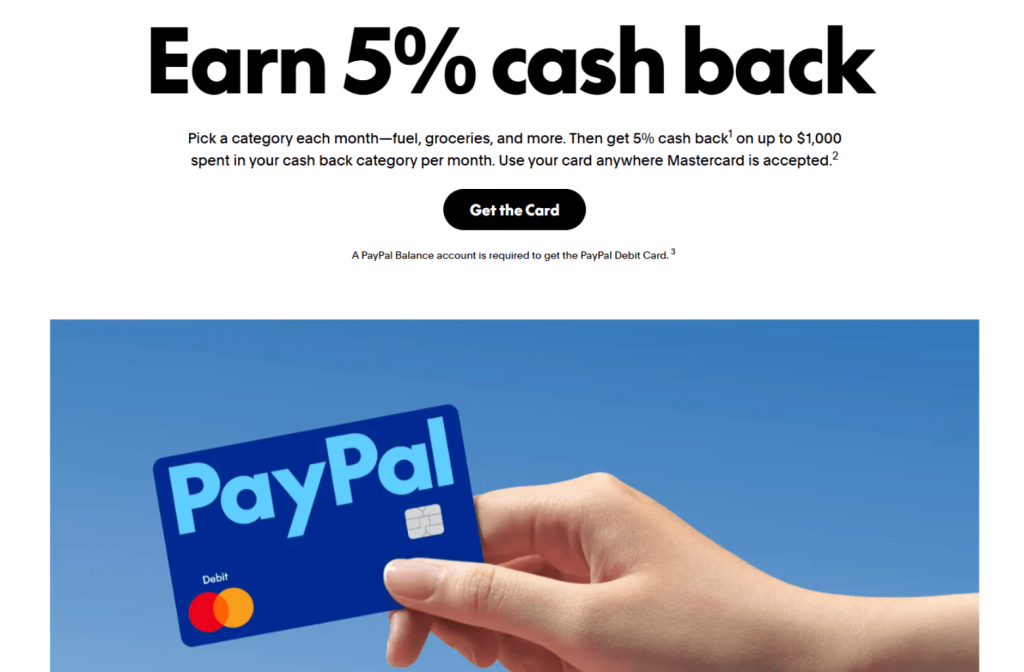
If you already use PayPal regularly, their debit card can be a solid add-on.
It offers cashback-style rewards through PayPal merchant offers and integrates seamlessly with online purchases.
What I like:
- Easy PayPal integration
- Cashback offers on select merchants
- Works well for online shopping
Downsides:
- Rewards vary by merchant
- Not ideal as a primary budgeting card
Best for:
Online shoppers and people who already rely heavily on PayPal.
The best debit cards aren’t about flashy perks, they’re about supporting better spending habits. Rewards are a bonus, not the foundation.
Debit Cards vs Credit Cards – Which Is Better for Budgeting?

This question comes up all the time, and the honest answer is:
It depends on your habits and where you are in your financial journey.
I’ve used both, and each one has its place. But when the goal is budgeting and control, debit cards often have the edge.
Let’s break it down.
Why Debit Cards Are Better for Budgeting
Debit cards shine when your priority is discipline.
Here’s why I often recommend them for budgeting:
- You can only spend what you have
- No interest or balances to manage
- No minimum payments
- Real-time balance updates
- Immediate spending feedback
- Less temptation to overspend
When I use a debit card, there’s no mental trickery. The money leaves my account instantly, which makes me more intentional with every purchase.
If you’re:
- New to budgeting
- Recovering from overspending
- Paying off debt
- Trying to simplify your finances
Debit cards create a natural spending boundary that’s hard to beat.
When Credit Cards Can Make Sense
Credit cards aren’t bad; they’re just easier to misuse.
They can work for budgeting if:
- You pay the balance in full every month
- You track spending closely
- You don’t rely on credit to cover overspending
- You already have strong money habits
Credit cards can offer:
- Higher rewards
- Purchase protections
- Credit-building benefits
But those perks only matter if you’re disciplined enough to avoid carrying a balance.
The Risk Most People Don’t Talk About
Credit cards make it easy to spend money you don’t actually have yet.
That delay between spending and payment can disconnect you from reality, especially if you’re already struggling to stick to a budget.
Debit cards remove that risk entirely.
My Personal Rule of Thumb
Here’s how I think about it:
- Debit cards = control, simplicity, budgeting discipline
- Credit cards = rewards and credit-building (only if you’re already consistent)
If you’re still working on your habits, debit cards are usually the better tool.
The best card for budgeting isn’t about rewards, it’s about what helps you stay consistent, aware, and in control of your money.
Best Debit Card Based on Your Situation
Instead of asking, “What’s the best debit card overall?” I’ve learned it’s much more useful to ask: “What’s the best debit card for how I actually spend money?”
Here’s how I’d break it down.
If You’re New to Budgeting
You want simplicity, no fees, and clear spending alerts.
Best choice:
- Chime Debit Card
Why it works:
- No monthly fees
- Real-time transaction alerts
- Easy-to-use app
- No temptation to overspend
This is a great “reset” card if you’re building budgeting habits from scratch.
If You Want Cashback Without Complexity
You want rewards, but you don’t want to manage rotating categories or credit card balances.
Best choice:
- Discover Cashback Debit
Why it works:
- Flat 1% cashback on purchases
- No annual or monthly fees
- Straightforward rewards
- Strong fraud protection
It’s one of the easiest ways to earn rewards while sticking to a debit-only budget.
If You’re Trying to Control Overspending
You want tight guardrails and immediate feedback.
Best choice:
- Chime Debit Card or Good app-based debit cards with alerts
Why it works:
- Instant notifications
- Clear balances
- Hard spending limits
Seeing your balance change in real time makes overspending much harder.
If You Travel or Use Cash Often
ATM fees can quietly wreck your budget.
Best choice:
- Axos Bank Debit Card
Why it works:
- Unlimited domestic ATM fee reimbursements
- No monthly maintenance fees
- Nationwide ATM flexibility
This is a big win if you don’t want to plan your life around ATM networks.
If You Like an All-in-One Financial App
You want checking, savings, rewards, and tools all in one place.
Best choice:
- SoFi Debit Card
Why it works:
- Cashback-style offers
- Strong budgeting tools
- Easy transfers between accounts
- Clean, modern app
This is ideal if you like everything centralized.
If You’re Rebuilding Credit but Want Control
You want rewards and credit improvement without traditional credit card debt.
Best choice:
- Upgrade Rewards Checking Debit Card
Why it works:
- Cashback rewards
- Credit-building structure
- Automatic payments
- Spending discipline
It’s a hybrid option for people transitioning to a stronger financial position.
How to Use Debit Cards Effectively for Budgeting

A debit card by itself won’t fix your budget, how you use it makes all the difference. Once I started using my debit card intentionally, budgeting became much easier and far less stressful.
Here’s exactly how I make debit cards work for my budget.
1. Keep Your Checking Account Lean
I don’t keep large amounts of money sitting in my main checking account.
Instead:
- Only one month of spending money stays there
- Savings live in separate accounts
- Emergency funds stay out of sight
This creates a natural spending limit and removes temptation.
2. Turn On Every Alert Possible
Debit card alerts are one of the most underrated budgeting tools.
I enable:
- Instant transaction notifications
- Low-balance alerts
- Large purchase alerts
These alerts give me real-time feedback and stop small mistakes from turning into big problems.
3. Use Separate Accounts for Different Purposes
If you struggle with overspending, this is a game-changer.
I recommend:
- One checking account for bills
- One for everyday spending
- One for savings
Even if you use one debit card, mentally separating money helps you stay disciplined.
4. Avoid Overdraft at All Costs
Overdraft fees destroy budgets quietly.
What I do:
- Turn overdraft protection off
- Allow transactions to decline instead
- Keep a small buffer in checking
A declined transaction is annoying, but an overdraft fee is worse.
5. Pair Your Debit Card With a Budgeting App
Debit cards work best when paired with visibility.
I connect my checking account to a budgeting app so I can:
- Track spending automatically
- Categorize purchases
- Review weekly progress
- Catch overspending early
This combo gives you the discipline of debit and the insight of a budgeting app.
6. Be Intentional With Cashback and Rewards
If your debit card offers rewards, treat them as a bonus, not a reason to spend more.
I make sure to do the following:
- Use cashback cards for planned expenses
- Don’t chase rewards with unnecessary purchases
- Let rewards reduce future expenses
Rewards should support your budget, not sabotage it.
7. Review Your Spending Weekly
Once a week, I check:
- Where my money went
- Which categories are tight
- Whether I need to adjust spending
This habit alone keeps my budget on track more than anything else.
Debit cards are powerful budgeting tools when you use them with intention. They create natural limits, increase awareness, and make spending feel real, which is exactly what most budgets need.
The Best Debit Card Is the One That Supports Your Habits
Remember, the best debit cards aren’t about the flashy perks; it’s about control, awareness, and consistency.
Debit cards can be incredibly effective for budgeting because they:
- Help you spend only what you have
- Remove the risk of interest and debt
- Provide real-time feedback
- Support healthier money habits
- Still offer rewards and cashback
Whether you’re just starting your budgeting journey or simplifying your finances, the right debit card can make managing money feel easier and more intentional.
The key is choosing a card that fits your habits:
- Simple tools if you’re a beginner
- Cashback if you want rewards
- Strong alerts if you tend to overspend
- Fee-free access if you use cash often
No card will fix your finances overnight, but the right one can support better decisions every day.
If you’re unsure where to start, pick one card, commit to using it intentionally for a couple of months, and pay attention to how your spending changes. That awareness alone can be a huge win.
Because when your spending habits improve, everything else in your budget gets easier.
Frequently Asked Questions (FAQ)
Are debit cards good for budgeting?
Yes. Debit cards are great for budgeting because you can only spend the money you already have. This makes it easier to stay within limits, avoid debt, and track spending in real time.
Do debit cards offer cashback rewards?
Some do. While debit card rewards are usually smaller than credit card rewards, many modern debit cards offer cashback, merchant deals, or spending incentives without interest or debt risk.
Should I use a debit card or credit card for everyday expenses?
If budgeting and control are your top priorities, debit cards often work better. Credit cards can make sense if you consistently pay in full and track spending closely, but debit cards remove the risk of carrying balances.
Do debit cards build credit?
Traditional debit cards do not build credit. However, some hybrid products combine debit-style spending with credit reporting features. For pure budgeting, debit cards still work well even without a credit impact.
How can I use a debit card more effectively for budgeting?
Enable spending alerts, avoid overdraft fees, keep checking balances low, pair your debit card with a budgeting app, and review transactions weekly.