Budgeting With Irregular Income (Freelancers & Gig Workers)
If you’re a freelancer, creator, gig worker, or strictly work off commission, you already know the hustle: some months you’re rolling in payments, and other months… you’re wondering if your next financial crisis is around the corner. Budgeting with irregular income can get complicated.
I’ve been there!
When working in sales, my commission pay was different every month. Budgeting felt impossible. My income looked like a roller coaster, one big commission month here, a couple of “ok” months there, and no two months ever looked the same!
But here’s the thing: having irregular income doesn’t mean you can’t budget.
You just need a system that’s flexible, realistic, and built for the unpredictability of freelance life.
Once I learned how to manage my money around inconsistent paychecks, things started to change. I stopped stressing month to month, and for the first time, I actually felt in control of my finances.
In this post, I’ll show you exactly how to budget when your income changes from each month, step-by-step. We’ll cover how to plan ahead, build stability, and make your money work even when your paychecks don’t show up on schedule.
Why Budgeting Feels Hard with Irregular Income

Let’s be real, budgeting is tricky enough when your income is consistent. But when it changes every month? It can feel downright impossible.
When I started working at a car dealership, my income was based off commission, not an hourly rate. Some months were better than others and I tried to budget like I still had a steady paycheck.
Spoiler alert: it didn’t work.
Some months I’d land big sales and felt unstoppable. Other months, it was quieter than a Sunday morning, and my bank account definitely noticed.
That’s the reality for most people who work off commission or are freelancers, gig workers, and side hustlers:
- You don’t always know how much you’ll make.
- You don’t always know when you’ll get paid.
- And your expenses, unfortunately, don’t care about either.
This feast-or-famine cycle makes it tough to plan ahead or feel financially secure. But here’s the good news: you don’t need a predictable income to build a solid budget.
You just need to budget differently, with flexibility instead of rigidity.
Your goal isn’t to control every dollar perfectly, it’s to stay prepared and consistent, even when your income isn’t.
That’s what the next section is all about.
Step-by-Step Guide to Budgeting with Irregular Income
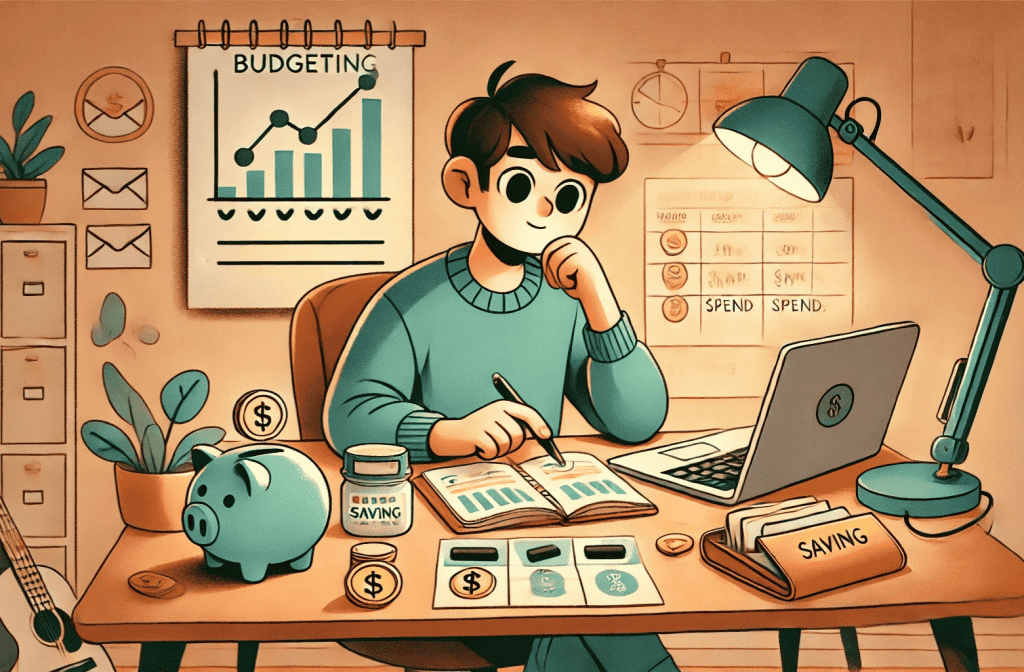
Budgeting with unpredictable paychecks isn’t about guessing; it’s about preparing.
Once I started treating my auto sales job like a business, everything became easier to manage.
Here’s the exact step-by-step process that helped me build financial stability with inconsistent income 👇
Step 1: Find Your Average Monthly Income
Start by reviewing your income over the last 6–12 months. Add it all up, then divide by the number of months, that’s your average monthly income.
Here’s an example:
If you made $24,000 over the past 12 months, your average monthly income is $2,000.
This gives you a realistic baseline to plan around, not your best month, not your worst. It’s your average!
Step 2: Base Your Budget on Your Lowest Month
Now that you know your average, take it a step further: Look at your lowest-earning month, and build your budget around that.
Why? Because if you can cover your essentials in your worst month, you’ll thrive in your best. When you earn extra during higher-income months, save the difference, don’t spend it. That’s how you smooth out the ups and downs.
Step 3: Create a Buffer or Emergency Fund
If you’re self-employed, your emergency fund is your safety net.
Start by saving at least one month of expenses. Over time, work up to 3–6 months.
That way, when slow seasons hit, you can draw from your buffer instead of your credit card.
Every time you get paid, set aside a portion for your buffer, even if it’s small. Consistency builds stability.
Step 4: Separate Business and Personal Finances
This one’s huge.
When I started working off commission, I made the mistake of keeping all my money in one account.
If you are a freelancer and mix client payments and personal spending in one account, you most likely have run into the same issue. It makes budgeting a freaking nightmare!
Keep separate checking accounts:
- Business account for client payments and taxes
- Personal account for living expenses
Since I’m not a freelancer, I opened another personal account and treated it like a business account. The point is to have different accounts to keep money organized.
This makes it easy to track your income, save for taxes, and pay yourself clearly.
Step 5: Pay Yourself a “Set Salary” Each Month
Once your buffer is in place, you can pay yourself a consistent monthly amount, even if your income fluctuates.
Here’s how it works:
- When you have a great month, leave extra money in your business account.
- When you have a slow month, use those savings to “top up” your paycheck.
It’s like giving yourself the steady income of a normal job, except you’re the boss.
Step 6: Adjust and Review Monthly
Commission and freelance life changes fast, so should your budget. Review your spending and income every month.
Ask yourself:
- Did I overestimate or underestimate anything?
- Do I need to shift money into savings or taxes?
- Can I trim or automate something next month?
Budgeting isn’t about getting it perfect, it’s about staying proactive.
If you’re having a high-income month, don’t treat it like bonus money. Treat it like future security, and you’ll always be ahead of the game.
Smart Tips for Freelancers, Comission and Gig Workers

When your income isn’t predictable, your budget has to work harder for you, not against you.
After a few years in the auto sales business, I learned that the key isn’t just planning, it’s automating, separating, and staying flexible.
Here are some of my go-to strategies that make budgeting for irregular income so much easier 👇
1. Automate Savings When You Get Paid
The moment a payment hits your account, move a percentage straight into savings.
Don’t wait until “later”, because, let’s be honest, later rarely happens.
Set up automatic transfers for 10–20% of each payment to your savings or emergency fund. Treat it like a bill you have to pay, to your future self.
2. Use Sinking Funds for Big or Irregular Expenses
A sinking fund is money you save a little at a time for expenses that don’t happen every month, things like car maintenance, insurance renewals, or holiday gifts.
Instead of panicking when those bills pop up, you’ll already have the money ready.
Think of it as “budgeting in advance.”
Plan for Taxes Early (Seriously!)
If you’re self-employed, no one’s withholding taxes for you, so you need to plan for it yourself. Same goes for me when I hit auto sale bonuses from the manufacturer (General Motors). Taxes are not taken out of my bonuses, so receive a 1099 each year and need to calculate taxes.
A good rule of thumb: set aside 25–30% of every payment in a separate “tax fund.”
That way, when tax season rolls around, you won’t be scrambling or stuck with a surprise bill.
4. Track Everything, Income and Expenses
You can’t manage what you don’t measure. Keep detailed records of your income and spending, both for budgeting and for tax deductions.
Use apps like QuickBooks Self-Employed, YNAB, or even a spreadsheet if you prefer simplicity.
I use one column for “income received” and another for “money owed.” That way, I know what’s coming and what’s actually in the bank.
5. Reframe How You Think About “Slow” Months
A slow month doesn’t mean failure, it means average.
Your freelance or commission income isn’t meant to look the same every month. What matters is your yearly average and your ability to plan around it.
When you have slow months, focus on maintenance, learning, and networking; they’re part of the rhythm, not the problem.
6. Use a Budgeting App Built for Freelancers
If you want to simplify everything, try tools that support irregular income, like:
- YNAB (You Need A Budget) – Perfect for zero-based budgeting and assigning every dollar.
- Goodbudget – Great for digital envelope budgeting.
- Copilot Money – Ideal for freelancers who want visual breakdowns.
Find the one that makes budgeting feel easy, not like extra work.
Budgeting irregular income isn’t about controlling money perfectly, it’s about staying confident when things fluctuate. Because when you plan for uncertainty, it stops being scary.
Why Flexible Budgeting Beats Fixed Budgeting
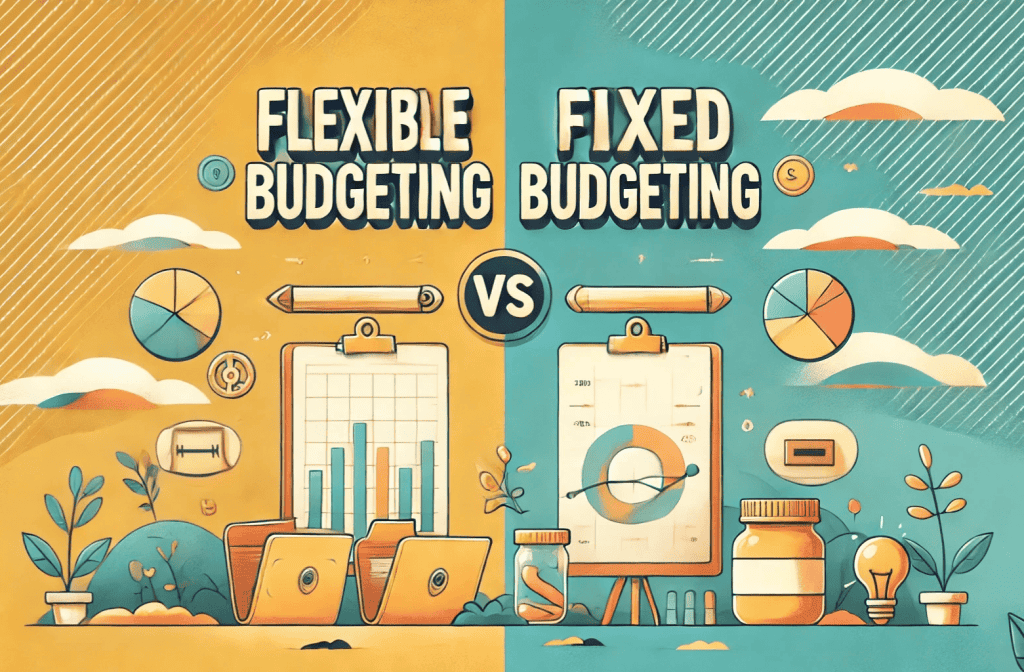
When I first tried to budget with irregular income, I used a traditional “fixed” budget approach, you know, the kind that assumes your paycheck is the same every two weeks.
It was a disaster.
Some months, I earned twice as much as I expected; other months, half as much. My fixed budget couldn’t keep up, and instead of helping me feel secure, it made me feel behind all the time.
That’s when I realized:
People with irregular income don’t need a fixed budget; they need a flexible budget.
Here’s why it works better 👇
1. It Adjusts With Your Income
With flexible budgeting, your plan changes based on what actually comes in, not what you wish came in.
You make spending decisions based on your real income for that month, not an average or ideal number.
This removes the guilt of “going off budget” because your budget moves with you.
2. It Helps You Prioritize
When income varies, priorities matter more than ever. A flexible budget helps you focus on what’s most important first: your needs, savings, and goals, and spend on “wants” after that.
List your expenses in order of importance each month. That way, when income changes, you know exactly what gets covered first.
3. It Reduces Stress
Instead of forcing yourself into rigid numbers, flexible budgeting allows you to adapt.
No guilt. No panic. Just awareness and adjustment.
You can shift money from one category to another as life changes, because life always does.
4. It Encourages Long-Term Thinking
A flexible budget reminds you that one bad month doesn’t define your year.
It keeps your focus on long-term consistency rather than short-term perfection.
I’ve had months when I earned almost nothing, and others when I more than made up for it. Because I planned flexibly, my finances balanced out in the long run.
The key to mastering irregular income isn’t predicting it, it’s adapting to it. That’s what flexible budgeting is all about.
Best Budgeting Methods for Irregular Income

When your income isn’t consistent, your budget shouldn’t be either. You need a system that can adjust with you, one that works whether you make $500 this month or $5,000 next month.
Here are three budgeting methods I’ve personally tested that work great for freelancers, creators, gig workers, or commission-based workers. 👇
1. Zero-Based Budgeting
This one’s my personal favorite.
With zero-based budgeting, you give every dollar a job, no guessing, no leftovers.
When income comes in, you decide where it goes: bills, savings, taxes, or spending.
Here is an example of zero-based budgeting:
|
Category |
Amount |
|---|---|
|
Rent |
$1,000 |
|
Groceries |
$300 |
|
Taxes |
$500 |
|
Savings |
$300 |
|
Business expenses |
$200 |
|
Fun & personal |
$200 |
|
Total |
$2,500 |
See how every dollar is accounted for? So, next month, when your income changes, your categories can be adjusted, too.
This method pairs perfectly with budgeting apps like YNAB (You Need A Budget) or EveryDollar that let you assign money dynamically.
2. The Envelope Budgeting System
The envelope budgeting system works beautifully for anyone who likes a visual system.
You divide your money into “envelopes” (physical or digital) for categories like groceries, gas, eating out, and savings. Once an envelope is empty, that category is done for the month; no overspending allowed!
You can use apps like Goodbudget to track “digital envelopes” instead of paper ones. This is a great hybrid option for people who want awareness and convenience.
3. Percentage-Based Budgeting
If your income fluctuates wildly, this is a lifesaver.
Instead of assigning fixed amounts, you assign percentages of your income to each category.
Example:
- 50% → Essentials (bills, rent, food)
- 20% → Taxes
- 20% → Savings & investments
- 10% → Fun or personal spending
So whether you earn $1,000 or $5,000, your money stays balanced automatically.
Use a percentage-based system as your base, then apply zero-based budgeting on top when you want more control. It’s a powerful combo.
No matter which method you choose, the goal is the same – stability. When you give your money structure, you take the fear and guesswork out of your budgeting equation.
Control Your Money, Even When It’s Unpredictable
When I first started budgeting while earning commission, I thought consistency was impossible. Some months were great, others were slow, and trying to plan around that felt pointless.
But I learned something important:
You don’t need a steady income to have financial stability, you just need a steady system.
Budgeting with irregular income isn’t about predicting what’s next; it’s about being prepared for whatever comes next.
When you save during the good months, build a buffer, and pay yourself a “set salary,” you stop reacting to money and start directing it.
Treat your freelance, comission, or gig-job income like a business, because it is one.
And just like any good business, consistency comes from structure, not luck.
So whether you’re freelancing, driving for Uber, running a side hustle, or juggling gigs, remember: You can absolutely build stability in an unstable world, one smart money habit at a time.
Because at the end of the day, it’s not about how much you make, it’s about how intentionally you manage what you have.
Frequently Asked Questions (FAQ)
How do you create a budget with irregular income?
Start by basing your budget on your lowest earning month, not your best one. That way, you know your essentials are covered even during slow seasons. When you earn more, use the extra to build savings or a buffer for future months.
Pro Tip:
Your goal isn’t perfection, it’s consistency. Adjust your budget every month based on what you actually make.
What’s the best budgeting method for freelancers or gig workers?
Three methods work great for irregular income:
• Zero-Based Budgeting – Assign every dollar a purpose as it comes in.
• Percentage-Based Budgeting – Divide income by percentages (e.g., 50% needs, 20% taxes, 20% savings, 10% fun).
• Envelope Budgeting – Separate money into categories, physically or digitally.
Each one helps you stay flexible without losing control.
How much should freelancers save for taxes?
A good rule of thumb is to set aside 25–30% of every payment for taxes. Keep it in a separate “tax fund” or savings account so you’re never caught off guard when tax season hits. If you earn a lot through multiple clients, you may also need to make quarterly tax payments; check with a tax professional to stay compliant.
Is it possible to save money when budgeting with irregular income?
Absolutely. You have to save differently. Instead of keeping a fixed dollar amount, save a percentage of every payment, even if it’s just 5–10%. Over time, those small, consistent amounts add up, and because you’re saving by percentage, it automatically scales with your income.
How can I budget during slow months?
During slow months, focus on covering your needs first: housing, food, utilities, and transportation. Use your buffer fund to cover the difference and temporarily pause non-essential spending.