7 Bad Money Habits That Are Killing Your Budget (And How to Break Them)
I’ll be honest, for a long time, I couldn’t figure out why my budget never seemed to work.
I had spreadsheets, apps, even color-coded charts (yes, I went that far)… but no matter what I did, my money just kept vanishing.
At first, I blamed my income. Then I blamed the bills. Then I blamed “bad luck.”
But after a few painful months of financial déjà vu, I realized something:
It wasn’t my income; it was my habits.
The truth is, most of us have a few sneaky money habits quietly draining our wallets. Little things we do without thinking: swiping the card too easily, skipping the budget check-in, buying stuff to feel better. All this slowly adds up to a big financial mess.
The good news? You can fix every single one of them.
In this post, I’ll break down 7 bad money habits that are killing your budget, and more importantly, show you how to break them for good.
Let’s clean up those habits and finally make your budget work for you, not against you.
7 Bad Money Habits That Are Killing Your Budget
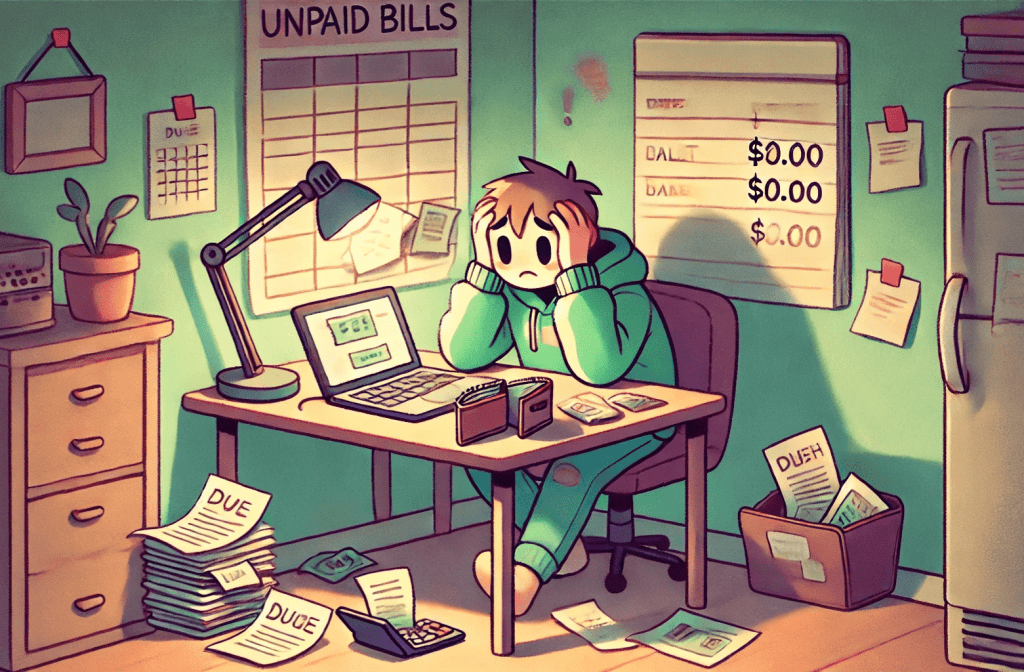
1. Ignoring Where Your Money Goes
For years, I told myself I was “pretty good” with money. I didn’t go crazy shopping, I paid my bills, and I tried to save when I could.
But when I finally tracked my spending for the first time… I was shocked.
Coffee runs, random Amazon buys, takeout “just because”, all those little expenses added up to hundreds of dollars a month.
The truth is, most budgets fail not because we don’t earn enough, but because we don’t know where our money’s actually going.
If you’re not tracking your spending, you’re budgeting blind.
Here’s how to fix it:
- Track every expense for one week. Use a budgeting app like YNAB, Rocket Money, or even your phone notes app.
- Group purchases into categories: needs, wants, and savings/debt.
- Review it honestly; no guilt, just awareness.
You don’t need to do this forever, just long enough to see your spending patterns. Awareness is half the battle. Once you know where your money’s leaking, you can finally start plugging the holes.
Because you can’t control what you don’t track.
2. Relying on Credit Cards for Everyday Purchases
I used to swipe my credit card for everything: groceries, gas, lunch, random Target runs, because, well… it was convenient.
I told myself, “It’s fine, I’ll pay it off later.”
But “later” kept turning into next month, and next month turned into a balance I couldn’t clear.
Credit cards are powerful tools, but when you use them for everyday purchases, they trick your brain into thinking you have more money than you do. And once you start carrying a balance, those interest charges quietly eat away at your budget.
Here’s what helped me break the habit:
- Go debit-only for 30 days. Use your checking account or cash for daily expenses.
- Keep one credit card for emergencies only. (And I mean real emergencies, not “the shoes are on sale.”)
- Pay off your balance weekly. It keeps spending in check and prevents shock when the bill arrives.
If you love earning rewards or cash back, that’s fine, just treat your credit card like a debit card. Only spend what’s already in your bank account, and pay it off immediately.
Using credit cards isn’t the problem; relying on them is.
3. Paying Bills Late (and Losing to Fees)
If you’ve ever opened your banking app and thought, “Wait, when was that bill due again?”, you’re not alone.
I used to do this all the time. I meant to pay on time, got busy, forgot, and then bam, a $35 late fee. Not once, not twice, but over and over.
Those “small” fees add up fast, not to mention the stress that comes with overdue notices or lowered credit scores.
Late payments are one of the easiest habits to fix, but also one of the most common budget killers.
Here’s what helped me stop bleeding money on fees:
- Set up automatic payments for bills that stay consistent (like subscriptions or utilities).
- Use calendar reminders for variable ones. I set mine for three days before the due date.
- Keep a small buffer in your checking account so you’re never caught off guard by an unexpected auto-draft.
If you’re behind, don’t ignore it, call the company. Most are surprisingly willing to waive a fee once if you’ve been a reliable customer.
When you stay on top of your bills, you’re not just saving money, you’re saving mental bandwidth. No more “oops” fees, no more panic. Just calm, consistent control.
4. Not Having an Emergency Fund
For years, every unexpected expense threw me completely off track.
A flat tire, a surprise medical bill, or even a broken phone would send me scrambling, shifting bills around, dipping into savings, or worse, swiping my credit card “just this once.”
Sound familiar?
That’s the danger of not having an emergency fund. Without one, every small hiccup feels like a financial crisis.
Your emergency fund is your financial safety net, the buffer between you and panic.
And here’s the best part: it doesn’t need to be huge to make a difference.
Here’s how I started mine:
- Goal #1: Save $500 as fast as possible. That’s your “mini emergency fund.”
- Goal #2: Build up to one month of expenses.
- Goal #3: Work toward 3–6 months over time.
Keep your emergency fund in a separate high-yield savings account, somewhere easy to access, but not too easy to dip into.
The peace of mind that comes from knowing you can handle the unexpected? That’s priceless.
Once I had that small cushion in place, budgeting stopped feeling like walking a tightrope, and started feeling like freedom.
5. Emotional or Impulse Spending
I can’t tell you how many times I’ve opened a package and thought, “Why did I even buy this?”
It usually started the same way, I was stressed, tired, or just needed a quick pick-me-up. Five minutes of scrolling later, I’d found something “too good to pass up.” Add to cart. Click. Done.
Impulse spending isn’t about logic, it’s emotional.
It’s that rush you get from hitting “buy now,” followed by the slow guilt when the credit card bill arrives.
And the worst part? Those little emotional purchases quietly destroy even the best budgets.
Here’s what helped me break the cycle:
- Create a 24-hour rule. If it’s not a need, wait one full day before buying. Most of the time, the urge fades.
- Unsubscribe from store emails and alerts. Out of sight, out of mind.
- Identify your triggers. Are you shopping when you’re stressed, bored, or tired? Replace that habit with something better, a walk, a workout, or a favorite playlist.
Keep a “Want List” in your notes app. Whenever you see something you want, write it down instead of buying it right away. Revisit it in a week, you’ll be shocked how many things no longer feel worth it.
When you start spending intentionally instead of emotionally, you regain control, and your wallet will thank you.
6. Forgetting to Plan for Irregular Expenses
This one used to get me every single time.
I’d feel like my budget was finally working, bills paid, savings growing, and then suddenly… it was someone’s birthday. Or my car needed new tires. Or the holidays hit.
And just like that, my “perfect” budget was toast.
The truth is, it’s not those big, predictable bills that ruin your budget; it’s the irregular ones you knew were coming but forgot to plan for.
Here’s how I fixed it:
- List your non-monthly expenses. Think gifts, holidays, car maintenance, annual memberships, insurance renewals, back-to-school shopping, all those random things that sneak up.
- Estimate the yearly total. Add it all up, then divide by 12 to find your monthly savings amount.
- Create mini “sinking funds.” Put that small monthly amount aside automatically; even $20 or $30 a month adds up fast.
Open a separate savings account or use budgeting apps like YNAB that let you create categories for future expenses.
The goal isn’t to avoid irregular costs, it’s to stop being surprised by them.
Once you plan ahead, your budget becomes bulletproof.
7. Treating Budgeting Like a Punishment
I’ll admit it, I used to think budgeting was basically financial punishment.
It felt like I was constantly saying no to myself: no coffee, no dinners out, no fun.
No wonder I couldn’t stick to it.
Here’s the truth that changed everything for me:
Budgeting isn’t about restriction; it’s about direction.
It’s not about cutting out everything you love; it’s about deciding where your money goes so you can actually afford the things that matter most.
Once I started looking at my budget as a tool instead of a trap, everything clicked. I stopped feeling guilty about spending and started feeling proud of the choices I was making.
Here’s how to flip your mindset:
- Reframe “can’t” into “choose.” It’s not “I can’t afford that,” it’s “I’m choosing to save for something better.”
- Add joy to your budget. Leave room for fun money, even $50 a month for guilt-free spending makes a difference.
- Track progress, not perfection. Focus on the wins, paying off debt, growing savings, and making fewer impulse buys.
Celebrate every milestone. Each time you hit a savings goal or stick to your plan, reward yourself (without blowing the budget).
When budgeting feels empowering instead of restrictive, it stops being something you have to do and becomes something you want to do.
How to Break These Habits for Good
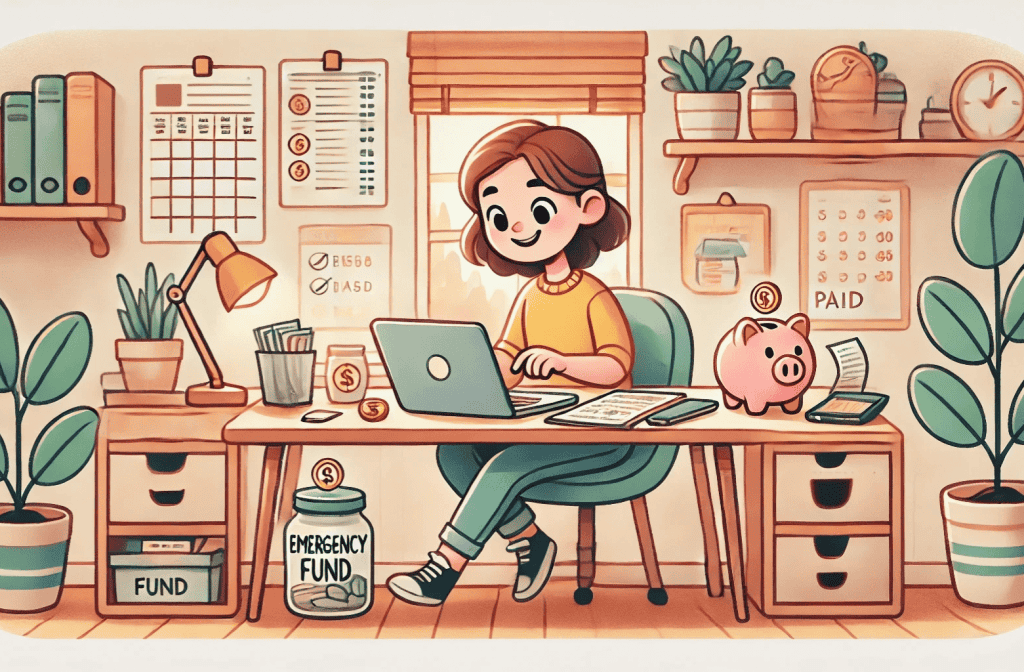
Here’s the thing about bad money habits: they don’t disappear overnight.
When I first started fixing mine, I expected instant results. But breaking old financial patterns is like working out: at first, it’s awkward and uncomfortable… then, over time, it becomes second nature.
The key isn’t perfection, it’s consistency.
Here’s the simple process I used to turn my money habits around:
1. Start With Awareness
You can’t change what you don’t see. Go through your bank statements or use a budgeting app to spot the patterns. Where’s your money really going? Which habits show up over and over again?
2. Focus on One Habit at a Time
Trying to fix everything at once leads to burnout.
Pick one bad habit, maybe it’s impulse spending or paying bills late, and work on that for a few weeks. Small wins build big momentum.
3. Replace, Don’t Just Remove
Habits stick because they serve a purpose. If you shop when you’re stressed, replace that habit with something that gives you the same relief, such as a walk, journaling, or even calling a friend.
4. Automate Good Choices
Make it easier to succeed than to fail. Set up automatic savings transfers, bill payments, and reminders. That way, your system supports you even on the days you don’t feel motivated.
5. Celebrate Progress, Not Perfection
Every time you make a better decision, even once, you’re rewriting your financial story. Give yourself credit for that.
Track your “habit wins.” I keep a simple note on my phone where I jot down small victories, like “paid my bill early” or “didn’t buy the random gadget.” Seeing that list grow feels amazing.
Breaking bad money habits isn’t about willpower; it’s about building systems that make good decisions easier.
Once you get momentum, you’ll realize managing money isn’t about restriction at all, it’s about freedom.
Conclusion: Small Changes, Big Results
If any of these bad money habits sound familiar, don’t beat yourself up; you’re definitely not alone.
The truth is, everyone has financial blind spots. What matters most isn’t where you’ve been, it’s what you do next.
You don’t need a total money makeover to get back on track. You need to start making a few small, consistent changes. Track your spending for one week. Pay one bill early. Save your first $50.
Those tiny wins compound faster than you think.
Because when you start replacing bad habits with smart ones, something amazing happens: your budget finally starts working for you instead of against you.
You don’t have to be perfect to make progress; you just have to be consistent.
So start today. Pick one habit, make one change, and stick with it.
Your future self, calmer, more confident, and financially free, will thank you for it.
Frequently Asked Questions (FAQ)
1. What are the most common bad money habits?
Some of the most common ones include overspending, relying on credit cards, paying bills late, not saving for emergencies, and emotional shopping.
The tricky part is that these habits often feel harmless until you realize they’re slowly eating away at your budget.
2. How do I stay motivated to keep better money habits?
Track your wins. Every time you make a wise choice, like skipping an impulse buy or paying off a bill early, write it down. Seeing your progress in black and white builds motivation faster than any app ever could.
3. What’s the easiest bad money habit to fix first?
Start with the one that causes the most stress, usually not tracking spending or paying bills late. These are quick wins that make a huge difference right away. Once you fix one, you’ll build momentum to tackle the others.
4. How can I stop living paycheck to paycheck?
Start by tracking your spending, building a small emergency fund, and automating your savings. Even saving $25 a week adds up over time. The goal is to create small gaps between paychecks and expenses, as this is how financial breathing room begins.
5. How do I know if I have bad money habits?
If you’re constantly wondering where your money goes, struggling to save, or feeling anxious about bills, chances are a few bad habits are hiding in your routine.
Start by tracking your expenses for one week; seeing the numbers will make everything crystal clear.