The Envelope Budgeting System: The Old-School Trick That Still Works
Before budgeting apps, spreadsheets, and digital wallets, people had a far simpler system for managing money and their finances – envelopes.
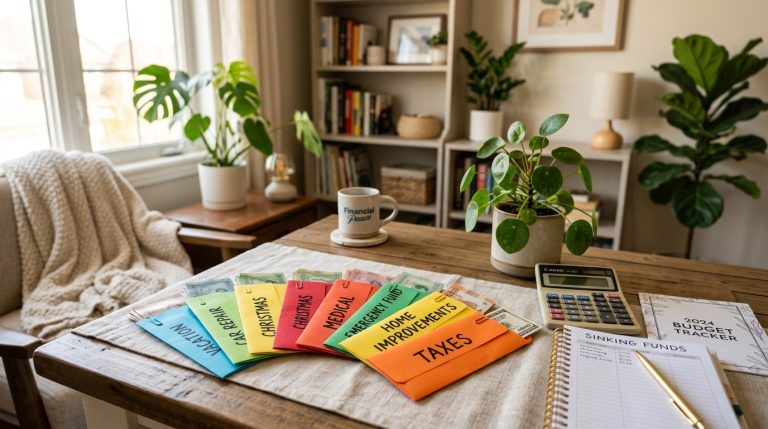
They’d take their paycheck, cash it in, divide it into labeled envelopes, for example: “groceries”, “rent”, “gas”, “fun money”; once an envelope was empty, that was it. Spending stopped until the next payday.
No overdrafts. No “oops” credit card charges. Just clear, visible limits. When I first heard about the envelope budgeting system, I’ll admit, I thought it sounded outdated. I mean, who even carries that much cash anymore, right?
But here’s the thing, the concept still works. In fact, it might be one of the most effective ways to build awareness, stop overspending, and finally stay consistent with your budget.
Whether you prefer the old-school paper envelope method or modern digital apps that work the same way, the core idea is simple:
Give your money direction – before it dissapears
In this post, I’ll break down how the envelope budgeting system works, why it’s still powerful today, and how to modernize it for your lifestyle.
What Is the Envelope Budgeting System?
The envelope budgeting system is one of the oldest, and simplest, ways to manage money.
Here’s how it works:
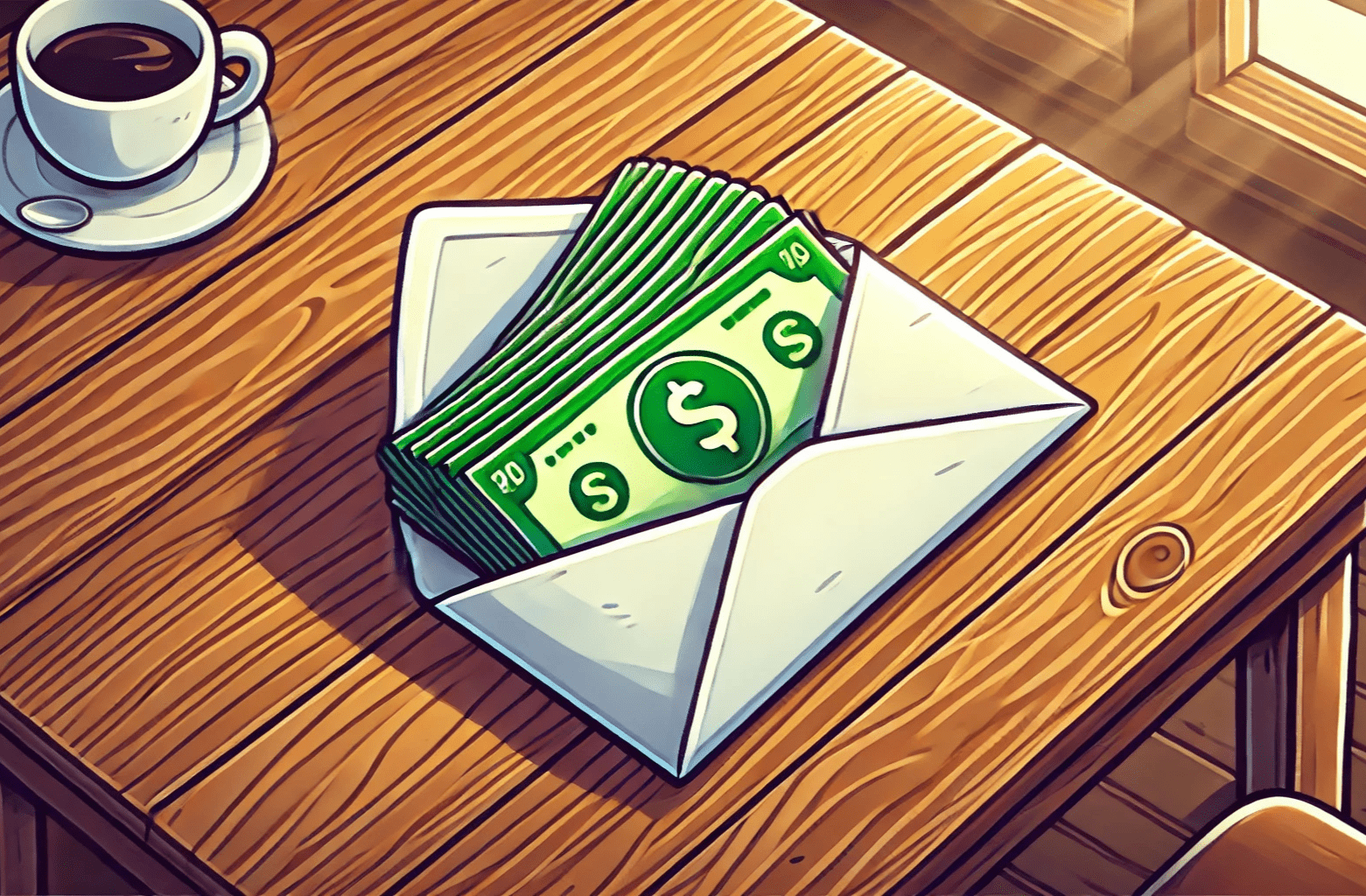
You divide your income into categories and place the cash for each category into separate envelopes.
For example, you might have envelopes labeled “Groceries,” “Gas,” “Rent,” “Fun Money,” and “Savings.”
When you need to buy groceries, you only use cash from the “Groceries” envelope. Once that envelope is empty, you stop spending in that category until your next payday. That’s it!
No spreadsheets. No fancy apps. Just clear limits and full visibility.
It’s a hands-on system that makes your money feel real, because it is real. You can literally see it leaving your hands, which naturally makes you more mindful about how you spend.
You don’t have to use paper envelopes if that feels inconvenient. The idea is to give every dollar a specific purpose, whether that’s through cash, debit, or digital envelopes.
How the Envelope Budgeting System Works (Step-by-Step)

When I first tried the envelope budgeting system, I thought it sounded like too much work. But once I gave it a shot, even with just a few categories, it completely changed how I looked at spending.
Here’s how to do it, step by step 👇
Step 1. List Your Budget Categories
Start by deciding which areas of your life you want to budget for. You don’t need an envelope for everything, just the categories where you tend to overspend or lose track of money.
Common envelope categories include:
- Groceries
- Gas or transportation
- Eating out
- Entertainment
- Clothing
- Personal care
- Miscellaneous or “fun” money
Keep it simple, start with 3 to 5 envelopes. Too many categories can get overwhelming.
Step 2: Set Spending Limits for Each Category
Next, decide how much money goes into each envelope. Base it on your monthly take-home pay and your spending priorities.
For example:
|
Category |
Amount |
|---|---|
|
Groceries |
$400 |
|
Gas |
$150 |
|
Eating Out |
$100 |
|
Entertainment |
$75 |
|
Personal Care |
$50 |
|
Total |
$775 |
Step 3: Fill Your Envelopes with Cash (or Digital Categories)
If you’re doing this old-school, withdraw the total amount you budgeted and physically fill each envelope with cash.
If you prefer a modern approach, you can use digital envelopes through apps like Goodbudget, YNAB, or even a spreadsheet that tracks each category virtually.
The method works the same, just without the paper.
Step 4: Spend Only from Each Envelope
Here’s the key rule:
Once an envelope is empty, that category is done for the month.
This rule alone can help you avoid overspending, because it forces you to make conscious spending choices.
Step 5: Refill, Review, and Adjust Monthly
At the end of the month, review how you did.
- Did you overspend in one category?
- Do you have leftover cash in another?
Use what you learned to adjust next month’s envelopes.
Over time, your spending habits get more predictable, and your self-control gets stronger.
If handling cash feels inconvenient, mix it up. Use cash for categories where overspending is easiest (like groceries or dining out), and digital tracking for the rest.
Why the Envelope Budgeting System Still Works

Even though this method has been around for decades, the envelope budgeting system still works today, maybe even better than ever.
We live in a world where money moves fast. One tap here, one swipe there, and suddenly half your paycheck is gone without you realizing it.
That’s exactly why the envelope method is so powerful, it slows you down. It makes you feel your spending again.
Here’s why it still stands the test of time
1. It Makes Spending Visual
When you physically see money leaving an envelope, it hits differently.
You become instantly aware of how much you’re spending and how much is left, no guessing, no surprises.
That visual reminder creates accountability that no app notification can match.
2. It Builds Self-Discipline
Zero balance? No more spending in that category, it’s that simple.
It trains you to live within your means and prioritize what truly matters.
The best part? The discipline you build here carries over into other parts of your finances too, like saving, investing, and debt management.
3. It Helps Break the Credit Card Cycle
If you tend to swipe without thinking, this system is a great reset. Using cash (or cash-equivalents) helps you avoid overspending and keeps you connected to your budget in a tangible way.
If going fully cash feels unrealistic, try a hybrid version, use envelopes for problem areas (like dining out or groceries) and cards for the rest.
4. It Works for Any Income Level
Whether you make $2,000 or $10,000 a month, this system scales perfectly.
It’s not about how much money you have, it’s about how intentional you are with it.
5. It Builds Real Awareness
This is the envelope budgeting system’s biggest superpower. When you touch your money, count it, and see it leave your hands, you start making smarter decisions automatically.
Once you see how good it feels to stay on budget, that awareness becomes addictive in the best way.
The Modern Envelope Budgeting System (Digital Apps and Alternatives)
Now, let’s be honest, walking around with a wallet full of envelopes probably isn’t practical these days. Most of us pay bills online, shop digitally, and use cards for convenience.
The good news? You can still use the envelope budgeting system, just in a digital way.
The same principles apply, you just replace paper envelopes with virtual ones.
Here’s how you can modernize the system 👇
1. Use Envelope Budgeting System Apps
There are some great apps that take the old-school envelope system and make it 100% digital.
My favorites include:
- Goodbudget – A simple, beginner-friendly app that lets you create virtual envelopes for every spending category.
- YNAB (You Need A Budget) – A more advanced system that combines zero-based budgeting with digital envelopes for total control.
- Mvelopes – Designed specifically to replicate the cash envelope system in a modern way.
These apps let you track spending in real-time and sync across device, perfect for couples or families who share finances.
Set up push notifications or email summaries from your app to keep you accountable without having to check it constantly.
2. Go “Envelope” With Your Bank Accounts
If you don’t want to use an app, you can mimic the system with multiple checking or savings accounts.
For example:
- One account for bills and essentials
- One for discretionary spending
- One for savings
Transfer your budgeted amounts into each account on payday. It’s like having digital envelopes right inside your bank.
3. Try the Hybrid Approach
This is the method I use personally. I keep cash envelopes for categories where I tend to overspend, like dining out and entertainment, and use digital tracking for everything else.
It gives me the structure of the envelope system with the convenience of digital payments.
Whether you go physical, digital, or hybrid, the key is the same: Decide your spending limit before the month starts, and stick to it.
That’s how the envelope budgeting system keeps you in control, no matter how you do it.
Downsides to Consider
As much as I love the envelope budgeting system, I’ll be the first to admit, it’s not perfect.
While it’s incredibly effective at building awareness and discipline, it also comes with a few drawbacks that might make it tricky for some people to stick with.
Here are the main challenges to keep in mind 👇
1. Handling Cash Can Be Inconvenient
Let’s face it, most of us don’t use cash much anymore. Between online shopping, bill pay, and card transactions, carrying around envelopes full of money can feel impractical or even unsafe.
If that’s you, the digital or hybrid version might be a better fit.
You can still follow the system using debit or prepaid cards. Just set spending limits for each category and track them manually or through an app.
2. It Requires Consistency
The envelope budgeting system only works if you stick to it. That means tracking every purchase, refilling envelopes monthly, and not “borrowing” from other categories when one runs out.
It’s simple in theory, but discipline takes practice.
If you tend to lose motivation easily, set reminders or make it fun (for example, challenge yourself to have cash left over each month).
3. Not Ideal for Online or Automatic Payments
If most of your spending happens online, streaming subscriptions, delivery apps, Amazon orders, managing those expenses with envelopes can get messy.
Keep one “digital envelope” in your budget specifically for recurring online expenses. That way, they don’t throw off your system.
4. It Can Feel Restrictive at First
If you’re used to swiping freely, using only what’s in your envelope might feel limiting in the beginning. But that’s the point, it helps you slow down and make more intentional choices.
The longer you stick with it, the more empowering it feels.
No system is perfect, but the envelope method shines because it forces mindfulness. It makes you think before you spend, and that awareness alone can transform how you manage money.
Is the Envelope Budgeting System Right for You?
Here’s the truth, the envelope budgeting system isn’t for everyone.
But for some people, it’s exactly the structure they need to finally break bad money habits and start spending with intention.
It really comes down to your personality, your goals, and how you prefer to manage your money.
Here’s how to tell if it’s a good fit 👇
✅ The Envelope Budgeting System Might Be Perfect for You If…
- You often ask, “Where did my money go?”
- You struggle with impulse spending or sticking to a budget.
- You want to feel your money again, and stay mindful of where it’s going.
- You like visual systems that show you what’s left at a glance.
- You want a hands-on way to build discipline and awareness.
If that sounds like you, even trying this system for one month can open your eyes to how you spend, and how easily you can take back control.
🚫 It Might Not Be the Best Fit If…
- You pay most of your expenses online or through automatic payments.
- You prefer digital convenience and automation over manual tracking.
- You already have a system that works (like zero-based budgeting or the 50/30/20 rule).
- You find handling cash frustrating or unsafe.
If that’s the case, you can still get the benefits of this system by using digital envelopes instead, same structure, less hassle.
You don’t have to go “all in.” Try it with just one or two problem areas, like groceries or eating out, and see how it feels. Chances are, you’ll start noticing patterns (and savings) right away.
Sometimes Simple Still Wins
When I first heard about the envelope budgeting system, I honestly thought it belonged in the past.
I mean, cash? Envelopes? In the age of digital banking and contactless payments?
But once I tried it, I got it.
The simplicity of it, the physical act of assigning money, touching it, seeing it; makes you feel your spending in a way that apps never can.
It’s not about being outdated. It’s about being intentional.
Even if you never use a single paper envelope, the principle behind this method, giving every dollar a purpose, is timeless.
So if you’re struggling to stick to your budget or feel like your money keeps slipping through your fingers, go back to basics.
Try the envelope budgeting system method for one month, cash or digital, and see what happens.
You might just find that the simplest system is the one that finally works.
Budgeting doesn’t have to be high-tech to be effective, it just has to be intentional.
Because at the end of the day, it’s not about how you track your money, it’s about how aware you are of where it’s going.
Frequently Asked Questions (FAQs)
What is the envelope budgeting system in simple terms?
The envelope budgeting system is a hands-on budgeting method in which you divide your money into specific categories, such as groceries, gas, and entertainment, and store it in separate envelopes. Once an envelope is empty, you stop spending in that category until the next payday.
What are the benefits of using the envelope method?
The envelope budgeting system helps you:
• Stay mindful of every purchase
• Prevent overspending
• Build better money discipline
• Visually track where your money goes
• Make budgeting feel real and intentional
It’s especially effective if you struggle with impulse spending or credit card debt.
What are the downsides of The envelope budgeting System?
The main challenges are:
• Carrying cash can be inconvenient or unsafe
• It requires consistency and discipline
• It doesn’t easily fit with online payments or subscriptions
If that’s you, try a hybrid system, cash envelopes for everyday spending and digital tracking for everything else.
How do I start envelope budgeting System for the first time?
Here’s a quick way to get started:
• Pick 5–7 spending categories you want to track (like groceries, gas, or fun money).
• Set a spending limit for each category based on your income.
• Fill each envelope (or app category) with that amount.
• Spend only from that envelope.
• Refill and adjust each month.
That’s it, simple and powerful.
Can couples use the envelope budgeting system together?
Yes! In fact, it’s one of the best systems for couples because it creates transparency. You can either share physical envelopes or use a digital envelope app that syncs between two phones. When both partners can see what’s left in each category, it helps prevent money fights and keeps everyone accountable.